


The mineral vs chemical sunscreen debate gets real the moment your SPF stings your eyes, pills under makeup, turns you ghost-white, or feels greasy by 10 a.m. You’re not “bad at skincare”—you’re using an SPF you won’t stick with.
And here’s the truth I tell my patients all the time in clinic: SPF only works if you’ll actually wear enough of it, often enough. So today, we’re making this simple and practical... without scare tactics, without shaming, and without turning ingredient labels into a chemistry exam.
Here’s what you’ll learn in this guide:
- The real difference between mineral vs chemical sunscreen (in plain English)
- Which type is typically best for sunscreen for sensitive skin, acne-prone skin, and pigment-prone skin
- What “systemic absorption” studies actually found... and what they don’t prove
- Why tinted SPF and iron oxides matter for dark spots
- Exactly how to apply SPF so it performs like the label says
Quick answer first: Which sunscreen is “better”?
Mineral vs chemical sunscreen isn’t a “good vs bad” contest.
- Mineral sunscreen is often the better choice if you’re sensitive, redness-prone, post-procedure, or you deal with melasma/hyperpigmentation and want a tinted option that helps with visible light.
- Chemical sunscreen can be the better choice if you need something that feels weightless, looks totally invisible, and if you’ve found formulas that don’t sting your eyes or break you out.
The best sunscreen for your face is the one you’ll wear every single day, in the right amount... because never skipping SPF beats the “perfect” sunscreen sitting in a drawer.
Mineral vs chemical sunscreen: what they are (without the fluff)
Mineral sunscreen (physical filters)
Mineral sunscreen uses UV filters like:
- Zinc oxide sunscreen
- Titanium dioxide
Think of mineral filters as sitting on the skin and reflecting and scattering UV (and also absorbing some UV... real life is a little of both). In clinic, mineral SPF is often the go-to for patients who say, “Everything burns,” or “My skin freaks out after treatments.”
Pros
- Typically well-tolerated for sunscreen for sensitive skin
- Often preferred post-procedure (chemical can sting after lasers/peels)
- Zinc oxide is especially popular for reactive skin types
Cons
- Can leave a white cast (varies hugely by formula)
- Can feel thicker, and may pill if layered wrong
- Some people hate the texture under makeup (again... formula matters)
Chemical sunscreen (chemical filters)
Chemical sunscreens use filters such as:
- Avobenzone, octocrylene, oxybenzone (among others)
- Newer filters exist outside the U.S. that many people love for elegance, but we’ll stick to the “how to choose” framework here.
These filters absorb UV and convert it to a small amount of heat that dissipates.
Pros
- Often feels more lightweight
- Usually no white cast
- Great for people who want a barely-there finish
Cons
- Some formulas can cause eye sting or irritation
- Some acne-prone patients notice congestion with certain products (not all!)
- Ingredient lists can feel overwhelming (you’re not dramatic)

If your skin is reactive: mineral SPF usually wins
As a nurse practitioner in aesthetics, I see the same pattern: patients who are consistent with SPF usually have one thing in common...
They found a sunscreen that doesn’t irritate them.
If you have:
- Rosacea
- Eczema tendencies
- Post-procedure sensitivity
- Frequent eye sting with SPF
- “My face turns red when I try new products”
…you’ll often do better with a mineral sunscreen, especially a zinc-based one.
And yes, if you’ve tried mineral and hated it because of a white cast, keep reading. That’s not a mineral problem. That’s a formula problem.

White cast: why it happens and how to avoid it
White cast usually comes from mineral filters (especially zinc oxide) because they’re naturally white. But modern formulas have gotten so much better.
Here’s how to reduce white cast without giving up mineral protection:
1) Go tinted
Tinted mineral SPFs often include iron oxides, which can help with visible light protection (more on that next), and they visually blend better on most skin tones.
2) Apply in thin layers
Instead of smearing a thick blob all at once, apply half your amount, let it settle 30–60 seconds, then apply the second half.
3) Use a moisturizer underneath (but let it set)
If your moisturizer is still slippery, your SPF is more likely to pill. Give skincare a minute to settle.
4) Choose “cosmetically elegant” mineral formulas
Not all mineral SPFs feel heavy. If it feels like paste, it’s not your job to suffer through it... pick a better formula.
If you want an example of the finish many patients love, a tinted mineral SPF with a skin-like texture (and less drama under makeup) is the whole reason products like GlowLuxe™ Tinted SPF 50 exist. It’s designed specifically to solve the “I quit sunscreen because it looked awful” problem.

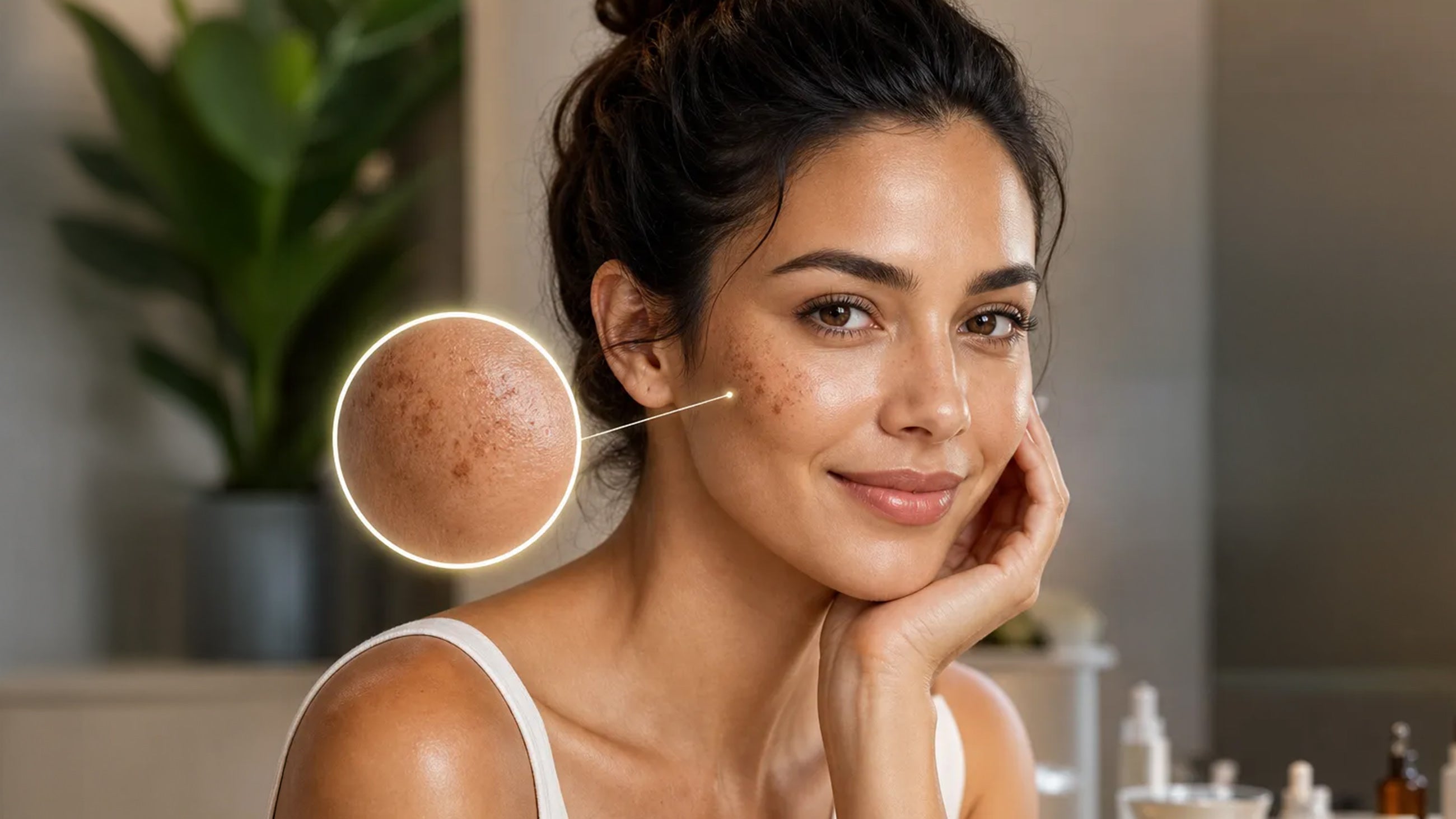
Why tinted sunscreen matters for dark spots, melasma, and uneven tone
Most people understand UV protection.
What’s less talked about is visible light, which can also contribute to pigmentation issues in many people... especially those prone to melasma or post-inflammatory hyperpigmentation.
Tinted sunscreens often contain iron oxides, and published dermatology literature discusses how tinted formulas can improve protection against visible light–induced pigmentation compared with non-tinted options. For a practical reference, see this JAAD discussion on tinted sunscreens and iron oxides: Practical guide to tinted sunscreens.
If you’re pigment-prone, a tinted mineral SPF can be more than “cosmetic.” It’s part of a smart prevention plan.
“Chemical sunscreen gets into your bloodstream” (what the studies actually say)
This is where I want you to think like a calm, smart adult... not a headline.
Your skin is your largest organ, and it’s a great barrier, but it isn’t a brick wall. (If you want a simple medical overview of skin structure and function, the NCBI Bookshelf has a solid, readable chapter: Integumentary System.)
A set of “maximal use” clinical trials (meaning heavy application, large surface areas, multiple times per day) found that several chemical UV filters were measurable in plasma. Here are the core trials:
- Effect of Sunscreen Application Under Maximal Use Conditions on Plasma Concentration of Sunscreen Active Ingredients (JAMA, 2019)
- Effect of Sunscreen Application on Plasma Concentration of Sunscreen Active Ingredients: A Randomized Clinical Trial (JAMA, 2020)
Now the nuance... because this matters:
Absorption ≠ proven harm
Those studies show measurable absorption under maximal use. They do not prove that chemical sunscreens are harmful in everyday use. The authors and regulators have consistently framed this as a signal that more safety data is worth collecting, not a reason to panic.
So what do I tell patients?
- If you love a chemical sunscreen and you wear it consistently with no irritation, keep wearing sunscreen.
- If absorption concerns make you uneasy, or you’re sensitive/reactive, a mineral sunscreen is a very reasonable choice.
- The biggest day-to-day risk for most people is still unprotected exposure adding up over time.
So… should you stop using chemical sunscreen?
Not automatically.
Here’s my real-world, clinic-style decision framework when it comes to mineral vs chemical sunscreen:
Choose mineral sunscreen if you…
- Have sensitive skin or frequent irritation
- Are post-procedure (laser, peel, microneedling)
- Struggle with melasma or dark spots and want a tinted option
- Prefer shorter ingredient lists and zinc-based protection
- Want a formula that’s less likely to sting your eyes
Choose chemical sunscreen if you…
- Need a totally invisible finish and mineral always looks bad on you
- Prefer lightweight textures
- Have found formulas that don’t sting or break you out
- Reapply often and need something easy to layer
And if you’re still torn?
Go with the one you’ll apply generously and reapply when outdoors. That’s the one doing real work.

Mineral vs. chemical sunscreen for face: match SPF to your skin type
If you’re acne-prone or oily
This is a split decision.
Some acne-prone patients do better with mineral because it’s less irritating. Others find certain mineral formulas too occlusive. The best move is:
- Look for “non-comedogenic” where possible
- Avoid heavy fragranced formulas
- Patch-test around the jawline first
Tinted mineral options can also double as a light “skin tint,” which means fewer layers of makeup... sometimes that’s the real breakout fix.
If you’re dry or dehydrated
You’ll likely prefer:
- Creamier mineral formulas
- Hydrating chemical formulas with a dewy finish
Either way, apply moisturizer first, let it settle, then apply SPF.
If you’re sensitive or redness-prone
Mineral usually wins, especially zinc oxide. This is the group that tends to say, “Why didn’t I do this sooner?”
If you’re pigment-prone (melasma, dark spots)
Tinted mineral sunscreen is often a strong choice because of visible light considerations and iron oxides.
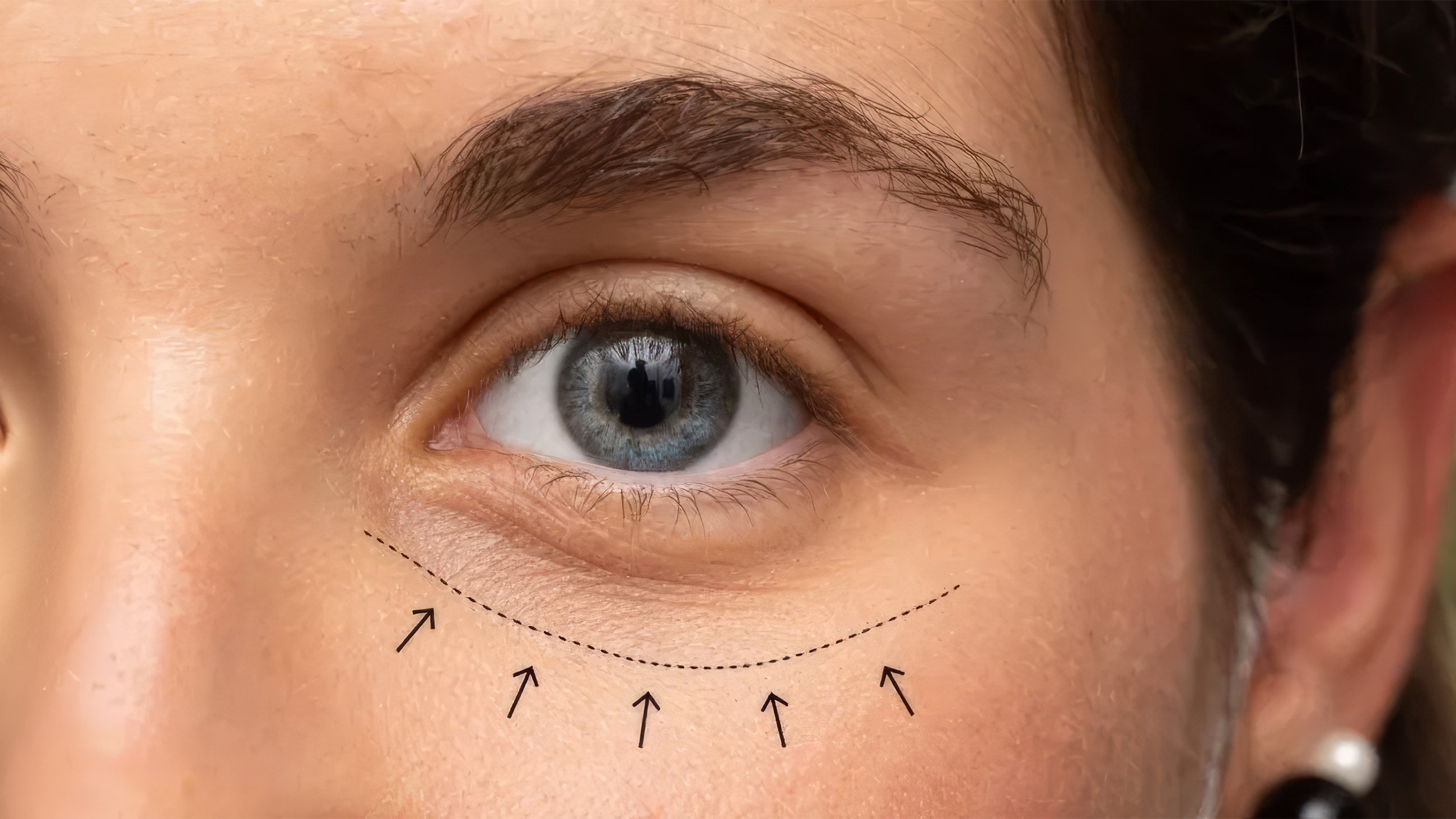
Under-eye SPF: the step almost everyone skips
If you’re investing in skincare and aesthetics, the under-eye area is not optional.
It’s thin skin, it shows sun damage quickly, and it’s an area people often miss because:
- “SPF burns my eyes”
- “I don’t want concealer to crease”
- “I forget”
A targeted mineral under-eye SPF can make this easier. In our clinic, products like RadiantGaze™ Brightening Mineral Eye Defense SPF 50+ are built specifically for that delicate area and for layering under makeup.

How much sunscreen should you apply to your face?
This is where most people accidentally fail SPF.
SPF is tested at 2 mg/cm². In real life, many people apply far less, which drops the protection.
A practical “two-finger” guideline has been discussed in medical literature as a way to approximate application amounts. Here’s a classic reference explaining the “two strips on two fingers” dosing concept: Simple dosage guide for suncreams will help users (BMJ/PMC).
A simple way to do it:
- Two finger lengths for face + neck is a common rule of thumb
- Apply in two layers if pilling is an issue

Reapplication: the part nobody wants to do (but matters)
If you’re outside, sweating, swimming, or in direct sun, reapplication is key.
The American Academy of Dermatology’s public guidance is straightforward: reapply about every two hours when outdoors, and after swimming or sweating.
One reason people fall off the SPF habit is because their sunscreen is unpleasant. That’s why choosing a formula that behaves under makeup and doesn’t sting is a bigger deal than most people think.
If you want a routine that layers cleanly, you can follow a simple order:
Cleanse → treat → moisturize → SPF → makeup
(If you want a step-by-step structure, Fix Studios also shares education like the Skincare Layering Guide to help people stop guessing.)
Mineral vs chemical sunscreen under makeup: how to stop pilling
If your SPF pills, it’s usually one of these:
1) Too many silicone-heavy layers
Primer + moisturizer + SPF + foundation can ball up if formulas don’t play nicely.
2) Not letting layers set
Give each step a minute. Especially moisturizer.
3) Rubbing instead of pressing
Try pressing SPF into the skin instead of aggressive rubbing... especially with tinted formulas.
4) Using the wrong amount… then trying to “fix” it
If you use too little, you’ll keep adding and rubbing. Apply the right amount from the start, then let it set.
Tinted mineral SPF can actually be easier under makeup because it can replace a step (like foundation or tint), depending on your preference.
What about “reef-safe” sunscreen?
Mineral vs chemical sunscreen that is "reef safe." You’ll see this everywhere... and it’s a complicated topic with a lot of marketing noise.
Here’s the safest, most accurate way to think about it:
- “Reef-safe” isn’t a tightly regulated term.
- If it matters to you, look for transparent ingredient labeling and check what’s allowed at your destination.
If you want a sunscreen choice that’s simpler and widely tolerated, many people end up back at mineral formulas with zinc oxide or titanium dioxide.
The bottom line decision: my clinic-style checklist
If you want a no-drama way to choose between mineral vs chemical sunscreen today:
- If you’re sensitive, reactive, or post-procedure → start with mineral (zinc).
- If white cast makes you quit → go tinted mineral.
- If your eyes sting with SPF → avoid taking chances; mineral is often easier.
- If you’ll only wear ultra-invisible textures → choose a chemical SPF you tolerate and commit to it.
- If you’re pigment-prone → tinted SPF with iron oxides is worth prioritizing.
FAQs
| Question | Answer |
| Which is better: mineral vs chemical sunscreen for sensitive skin? | Mineral sunscreen is often better tolerated for sensitive or reactive skin, especially zinc oxide formulas. |
| Is chemical sunscreen unsafe because it can be absorbed? | Studies under maximal-use conditions found measurable plasma levels for some filters, but absorption does not automatically equal proven harm; long-term significance is still being studied. |
| What is the best sunscreen for face if I have melasma or dark spots? | Many pigment-prone patients do well with tinted sunscreen that includes iron oxides, which may improve protection against visible light–induced pigmentation. |
| How much sunscreen should I apply to my face? | A practical guideline is “two finger lengths” for face + neck; applying too little reduces real protection. |
| How often should I reapply sunscreen? | When outdoors, reapply about every two hours, and after swimming or sweating, per AAD guidance. |
| Will mineral sunscreen work under makeup? | Yes, formula matters. Let skincare set, apply SPF in layers if needed, and press (don’t rub) to reduce pilling. |
| What’s a good option if I always skip under-eye SPF? | Consider a targeted under-eye mineral SPF product designed to layer under makeup, so you don’t avoid the area. |
Product picks if you want mineral SPF that people don’t quit
If you’re trying to make SPF truly “non-negotiable,” it helps to use formulas that solve the real-life problems:
- Face/neck: GlowLuxe™ Tinted SPF 50 (tinted mineral finish designed to avoid the “white cast” dealbreaker, doesn't pill, makeup goes on smooth)
- Under-eye: RadiantGaze™ Brightening Mineral Eye Defense SPF 50+ (mineral SPF made for the delicate eye area and layering, hides under-eye darkness & puffiness)
If you want help choosing what fits your skin best, you can also use the Fix Studios booking page to schedule a consult and get a personalized recommendation.
Conclusion
Mineral vs chemical sunscreen doesn’t have to be confusing.
If you’re, post-procedure, or pigment-prone, mineral sunscreen - especially a zinc oxide sunscreen - is often the easiest way to stay consistent. If you love a lightweight, invisible feel and your skin tolerates it well, a chemical sunscreen can absolutely be a smart daily choice.
The goal is simple: pick the sunscreen you’ll wear enough of, every day, and reapply. That’s how you protect your results, prevent more uneven tone, and keep your skin looking healthy long-term.
If you remember one line, make it this: Mineral vs chemical sunscreen matters - but consistency matters more, and the best sunscreen for your face is the one you’ll actually use.
Disclaimer
This article is for informational purposes only and should not be considered medical advice. Results vary from person to person. Always consult with a qualified provider before starting any treatment.
Want a personalized recommendation on mineral vs chemical sunscreen? Schedule a consult with Fix Studios so we can match the right SPF to your skin type, lifestyle, and any treatments you’re doing - wether is is mineral vs chemical sunscreen.

Share:
The Best Bruise Recovery Cream After Injectables: What to Use + How to Use It
Why We Publish Our Prices (and Why Most Medspas Don’t)