

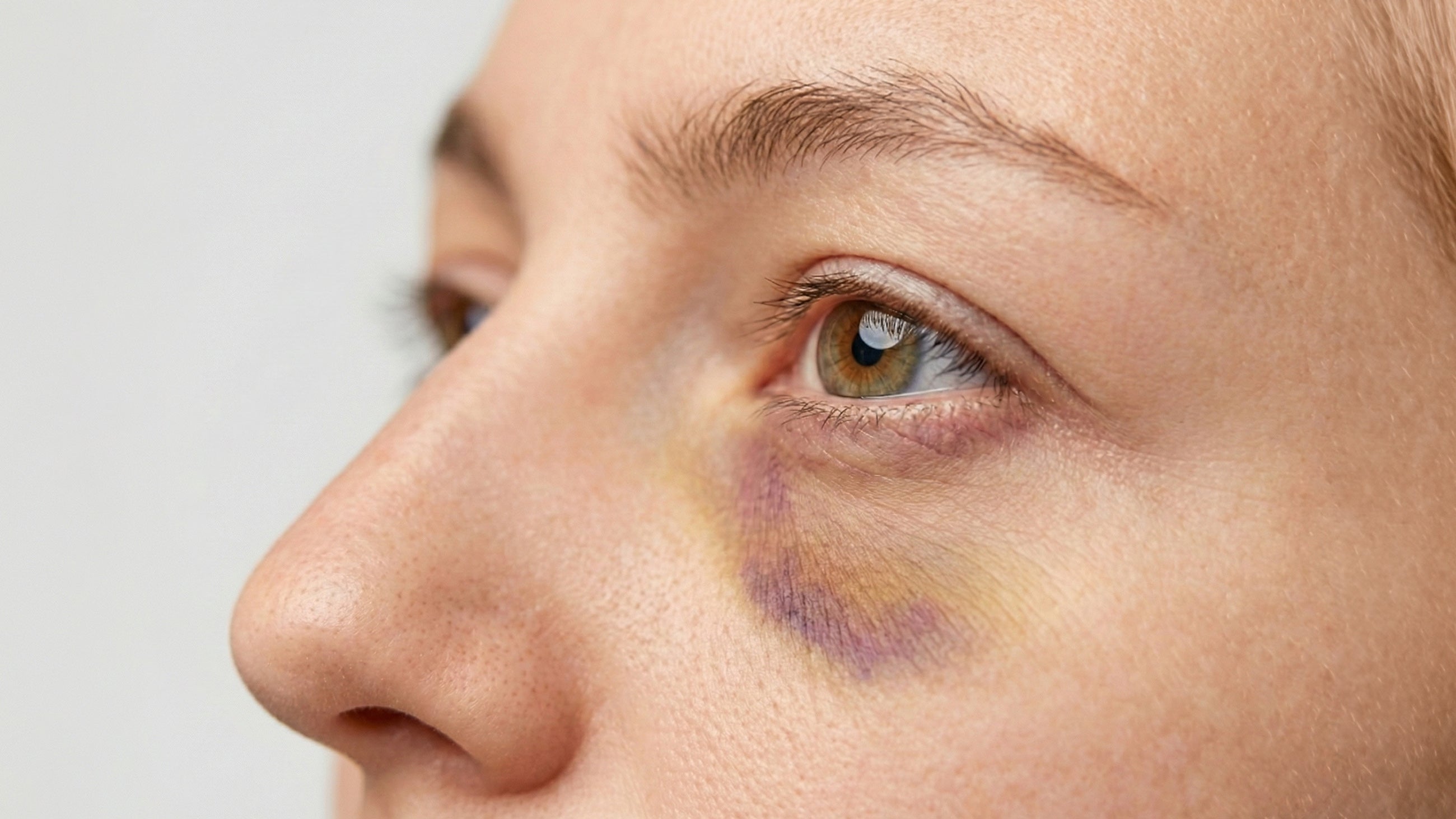
Bruising after injectables can feel like the one part of beauty nobody warns you about. You’re excited for smoother lines, a softer under-eye, or a more balanced lip shape. Then you look in the mirror and see a little purple mark that wasn’t there an hour ago.
First... don’t panic. Bruising after injections is common and usually harmless. It doesn’t mean you reacted badly, and it doesn’t mean your injector did anything wrong. Most of the time, a tiny surface blood vessel got bumped, and your skin is simply showing the evidence.
The good news is you can often shorten how long bruises look noticeable. The best results come from a few simple steps, done consistently, without overdoing it. That’s where a bruise recovery cream comes in... especially formulas that combine arnica and vitamin K.
In our practice, when appropriate, we apply an Arnica + Vitamin K cream gently to injection areas right after injectable treatments to support a smoother-looking recovery. Then we teach you how to keep that support going at home in a way that’s safe for your treatment and comfortable for your skin.
What you’ll learn in this guide
In this post, you’ll learn why bruises happen after injectables and who is more likely to bruise. You’ll get a step-by-step plan for using bruise recovery cream the right way, including how to use an Arnica Vitamin K cream without irritating injection sites.
We’ll also walk through which services benefit most from bruise-support aftercare, including Botox, dermal fillers, and PDO threads. And I’ll explain why microneedling and laser usually don’t need bruise cream, since they rarely create true bruising in most patients.
Why bruises happen after injectables (and why it’s so common)
A bruise forms when small blood vessels under the skin break and a little blood leaks into surrounding tissue. That trapped blood shows up as discoloration, and the color changes as your body breaks it down and clears it. Mayo Clinic describes this process clearly, including typical first-aid steps that support healing.
Injectables can bump tiny vessels because needles and cannulas are working in a living, vascular area. Even with great technique, no one can “see” every little vessel. Two people can get the same treatment, with the same injector, and one bruises while the other doesn’t.
Bruising also tends to be more visible in certain zones. Thin skin, surface vessels, and high-movement areas can make a bruise look more dramatic than it really is.
The areas that bruise most often
Lips are a classic bruising area because the tissue is naturally vascular. Under-eyes bruise because the skin is thin and discoloration shows easily, even when the bruise is small. Temples, smile lines, and parts of the jawline can also surprise people.
If you’ve bruised in a specific zone before, that’s useful information. It doesn’t mean you can’t treat that area again. It just means we plan your aftercare with a little more intention.

The three biggest factors that affect your bruise timeline
First is your personal biology. Some people bruise easily and always have. That’s not “bad skin.” It’s simply how your vessels and tissue respond.
Second is what you take. Certain prescription meds and supplements can increase bruising risk. This isn’t a “stop everything” situation... it’s a “tell your provider everything” situation, so your plan is safe and realistic.
Third is the treatment type and placement. A quick neurotoxin appointment can still bruise, but filler and PDO threads tend to create more opportunity for visible discoloration in many patients.
Bruise recovery cream 101: what Arnica + Vitamin K does
A bruise recovery cream is a topical product used on the skin to support the appearance of bruising as it resolves. It’s not a magic eraser. Think of it as a helpful nudge that can make bruises look less intense sooner for many people, especially when you pair it with smart early aftercare.
This is where Arnica Vitamin K cream gets its popularity. Arnica is widely used topically for bruising and soreness in general wellness settings, and vitamin K creams are commonly discussed for discoloration support after certain procedures.
Memorial Sloan Kettering’s integrative medicine monograph on arnica summarizes traditional use, evidence context, and safety notes. It’s one of the better high-authority overviews if you want to understand arnica without marketing hype.
Vitamin K cream also has clinical discussion in post-procedure settings. A randomized study indexed on PubMed reported that topical vitamin K used after a procedure reduced the severity of bruising compared with placebo, especially early in the healing window.
What to expect, realistically
The best expectation is this: bruises often still “peak” in the first couple of days, then start to soften. A bruise recovery cream can support that softening so you have fewer days where you feel like the bruise is the first thing people see.
If you’re expecting overnight results, you’ll be disappointed. If you’re expecting a smoother-looking week, you’ll usually be happy.
How to use bruise recovery cream after treatment (step-by-step)
Most people don’t need an elaborate routine. They need a simple routine they can actually stick to without irritating their skin.
The biggest mistakes I see are aggressive rubbing, over-application, and mixing bruise support with heat too early. If you remember one theme, remember this: gentle wins.
When to start
Many patients can start the same day, but the key is touch pressure. Fresh injection points can be tender, and some areas feel more sensitive than others.
If you’re sore or swollen, start later that evening or the next morning. If your injector gives you specific timing, follow that first, because treatment technique and products used can change best timing.
How often to apply
Twice daily is a sweet spot for most people. Morning and night keeps it consistent without over-handling the area.
If you want a mid-day application, that’s fine, but it should be light. This isn’t the moment for “really working it in.”
How much to use
Use a thin layer. For a small bruise, a pea-sized amount is usually enough. Too much product increases friction, and friction is one of the easiest ways to irritate post-treatment skin.
Exactly how to apply it (without bothering injection sites)
Wash your hands first. Warm the product between your fingertips. Then apply with soft, minimal pressure across the discolored area and a small margin around it.
If the bruise is near the lip line, keep product on the outer skin and avoid the inside of the mouth. If skin is broken or irritated, skip that area and follow your provider’s instructions.
Cold first, cream second
In the first 24 hours, cold compresses can help reduce swelling and may limit bruising. Mayo Clinic recommends an ice pack wrapped in a thin towel for about 20 minutes at a time, repeating during the first day or two if needed.
Cleveland Clinic also notes that cold can reduce blood flow to an area and help limit bruising early on.
A simple approach looks like this: cold compress windows during day 0–1, then bruise recovery cream consistently during days 1–7.
Best treatments to use it with (where bruising is most likely)
This is the part most patients care about, because not all services create the same bruise risk.
Bruise recovery cream is most useful when the procedure involves needles, cannulas, or tissue work in vascular zones. That includes Botox, dermal filler, and PDO threads.
Dermal filler (lip filler, cheeks, tear trough, jawline, chin)
Filler is the most common reason people want bruise support at home. Lips and under-eyes are frequent bruising areas, and they’re also high-visibility zones where even a small bruise feels “big.”
If you’re getting lip filler, plan for the possibility of bruising even if it doesn’t always happen. If you’re doing under-eye filler, expect that bruising can take a little longer to fade simply because the skin is thin.
After filler, apply bruise recovery cream gently, and avoid pressing hard on treated areas. Unless your injector specifically tells you to massage a spot, keep handling to a minimum during the early phase.
Botox / Dysport / Xeomin
Neurotoxin treatments usually have minimal downtime, but bruising can still happen. It tends to be small and pinpoint-like, often near crow’s feet or anywhere you have a surface vessel.
Bruise recovery cream is helpful here because these bruises often sit in the upper face where you can’t hide them easily for a day or two. Start gently later the same day or the next morning, and keep pressure light.
PDO threads
PDO threads can create more bruising for some patients because the treatment involves placement under the skin and more tissue manipulation. Bruising may show along a thread path or pool in a specific spot.
Threads are where “gentle” matters most. Follow your thread aftercare rules closely, avoid facial massage early, and don’t apply heavy pressure when you apply cream. Use a thin layer and treat the area like it’s tender... because it often is.
Other injectable treatments where bruising can show up
Depending on your menu, bruising can also happen with biostimulators (like Sculptra-type treatments), PRP/PRF injections, and treatments like Kybella where swelling and discoloration are more common.
Even IV therapy or a blood draw can leave bruising in people who bruise easily. The same gentle topical approach can be used on intact skin there too.
Why it’s used less for microneedling and laser
Microneedling and many lasers typically cause redness, warmth, and sensitivity more than true bruising. So bruise recovery cream usually isn’t the main need for those services.
If someone gets a rare pinpoint bruise, gentle topical support can still be reasonable. But for most people, microneedling and laser aftercare is more about calming and protecting the skin barrier than bruise support.

Who should keep bruise recovery cream at home
If you bruise easily in everyday life, you’re more likely to bruise after injectables. If you’re planning lip filler, under-eye filler, or PDO threads, having bruise recovery cream ready can reduce stress during the first week.
It’s also a smart move if you have an event coming up. Photos, weddings, work presentations, vacations... your calendar matters, and planning aftercare is part of planning your result.
Here is a product we recommend from Amazon.
What not to do if you want bruises to fade faster
Heat too early is a common mistake. Heat increases circulation, and early on that can make swelling and discoloration look more dramatic.
Heavy rubbing is another one. People get impatient and start scrubbing product into the bruise. That can irritate tissue and keep the area looking “angry” longer than necessary.
Try not to stack lots of new skincare actives right after injectables either. If it tingles, burns, or turns you red, skip it until the area is settled.
If bruising seems unusual (severe pain, rapidly increasing swelling, or changes that feel wrong) call your provider. Most bruises resolve on their own, but you should always trust your gut and check in.
A simple 48-hour plan after injectables
During the first 24 hours, keep things calm. Use cold compresses in short windows if your provider allows it, and avoid rubbing the area. Keep your skincare basic and avoid anything that stings.
Starting day two, apply your bruise recovery cream morning and night. If you’re using an Arnica Vitamin K cream, keep application light and consistent.
If your bruise looks darker around day two or three, don’t panic. Bruises often shift before they fade, and that color change is a normal part of the breakdown process.
FAQs about bruise recovery cream after injectables
| Question | Answer |
| How long do bruises last after filler? | Many fade in 7–14 days, sometimes sooner. Under-eye bruises may show longer due to thin skin. |
| Can I use bruise recovery cream the same day as Botox? | Often yes, with gentle application. If you’re tender, start the next morning. |
| Can I use Arnica Vitamin K cream after filler? | Often yes. Apply lightly and avoid heavy pressure over fresh filler unless instructed. |
| Is it normal for bruises to look worse on day 2–3? | Yes. Bruises often peak before they fade, and color shifts are normal. |
| Does bruise recovery cream help swelling too? | It may help the look of discoloration more than swelling. Cold compresses are usually more helpful early on. |
| Why do I bruise more than my friend? | Skin thickness, surface vessels, and meds/supplements can all affect bruising risk. |
| When should I call the office? | If you have severe pain, rapidly increasing swelling, or anything that feels off for you. |
Conclusion
Bruising after Botox, filler, or PDO threads is common. It’s annoying, but it’s usually just normal healing.
A simple plan can make a real difference: cold early, gentle handling, and consistent topical support. If you want a reliable option many patients like, bruise recovery cream featuring Arnica Vitamin K cream is a practical add-on that can shorten the days bruises look obvious.
If you’re bruise-prone or planning an event soon, we can help you build a post-treatment plan that fits your service and your schedule.
Disclaimer
This article is for informational purposes only and should not be considered medical advice. Results vary from person to person. Always consult with a qualified provider before starting any treatment.


Share:
11 Things to Know About PRP Hair Cincinnati (Before You Book)
Mineral vs Chemical Sunscreen: Which One Is Actually Better for Your Face?