

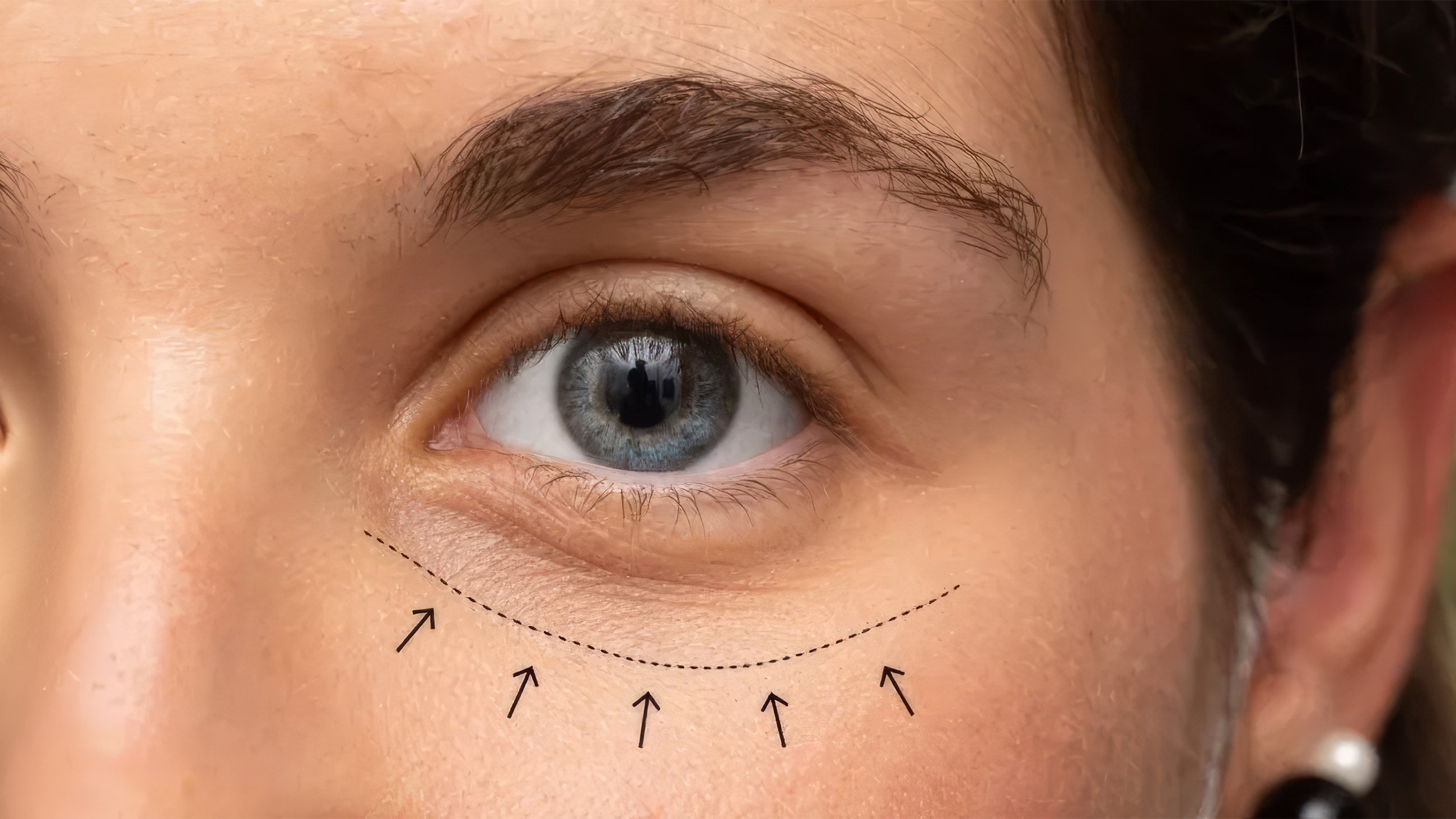
If you’ve been searching for under eye filler Cincinnati, chances are you’re tired of looking tired. Maybe your concealer settles into every tiny line. Maybe your dark circles make you look exhausted, even after a full night of sleep. Or maybe you’ve seen under eye filler before and after photos and thought, “That’s exactly what I need.”
I get why this treatment is so popular. When under eye filler is done on the right person, with the right product, in the right amount, it can be beautiful. It can soften hollows, reduce shadowing, and help the face look more rested without making you look different.
But here’s the honest truth: under eye filler is not for everyone.
In fact, it is one of the most requested treatments I sometimes recommend waiting on. Not because filler is bad. Not because I don’t want to help. But because the under-eye area is delicate, reactive, and not always forgiving.
When it works, it looks soft and natural. When it is not the right fit, it can make puffiness, bags, dark circles, or uneven texture look worse. Think of it as the tiramisu of injectables: incredible when it is done right, and a genuine mess when the ingredients are wrong.
In this article, we’ll cover what under eye filler can actually fix, the seven signs you may want to wait, why dark circles are not always a filler problem, and what options may be better if filler is not your smartest first move.
Prefer to hear Dr. Beth explain it first? You can watch the full under eye filler warning signs video on YouTube, then keep reading for the full breakdown.
What Is Under Eye Filler?
Under eye filler is also called tear trough filler. It is a dermal filler treatment used to soften hollows beneath the eyes, especially where the lower eyelid meets the upper cheek.
Most under eye filler treatments use hyaluronic acid filler. Hyaluronic acid is a gel-like substance that can restore volume and smooth certain facial transitions. At Fix Studios, we offer natural-looking dermal fillers in Mason and Cincinnati with a strong focus on facial balance, anatomy, and subtle results.
Under eye filler works best when the main concern is a true hollow. A hollow creates a shadow, and that shadow can make the under-eye area look darker. When filler is placed carefully, it can soften that dip and create a smoother transition between the lower eyelid and cheek.
But filler is not a magic eraser. It does not tighten loose skin. It does not remove pigment. It does not shrink fat pads. It does not fix allergies. It does not make under-eye bags disappear.
That distinction matters. A hollow is not the same as a bag. A shadow is not the same as pigment. Thin skin is not the same as volume loss.
This is why under eye filler should never be treated like a quick “just put some there” appointment. The under-eye area has thin skin, delicate tissue, lymphatic drainage patterns, and important blood vessels. A tiny amount of filler can help the right person, but a tiny amount in the wrong person can create puffiness, lumps, blue-gray discoloration, or a result that feels frustrating instead of refreshing.
Why Under Eye Filler Requires Extra Caution
I always tell patients this: under eye filler is not just about whether you want it. It is about whether your anatomy will cooperate.
The under-eye area is closely connected to the cheeks, midface, skin quality, and natural swelling patterns. If one of those pieces is not ideal, filler can become more obvious.
This is also why experience matters. The FDA advises patients to work with licensed health care providers who understand dermal fillers, facial anatomy, and complication management. That advice is important with any filler, but it is especially important with tear trough filler.
A provider should not look at your under eyes only. They should look at your cheeks, skin quality, swelling history, and facial balance. They should also be comfortable saying, “I would not start with filler.”
That is not a rejection. That is good clinical judgment.
Now let’s talk about the seven signs you may want to wait before booking under eye filler Cincinnati.
1. You Have Under Eye Bags, Puffiness, or Festoons
This is the big one. If your main concern is under-eye bags, puffiness, or festoons, under eye filler may not be your best move. In some cases, it can make the area look worse.
Bags and hollows are not the same thing. A hollow is a dip. A bag is fullness. A festoon is a puffy or swollen-looking area that often sits lower on the cheek.
Filler adds volume. So if we add filler to an area that already has too much volume or fluid, we can create more puffiness instead of less. That sounds obvious when we say it out loud, but it is one of the most common reasons people feel disappointed after under eye filler.
They wanted smoother eyes. They got puffier eyes.
The under-eye area is also very fluid-sensitive. Many common fillers are made with hyaluronic acid, and hyaluronic acid attracts water. That is part of why filler can look soft and hydrated in the right area. But in a puffy under-eye area, that water-loving quality can become a problem.
Someone may look okay at first, then notice swelling later. The area may look worse in the morning. It may change during allergy season. It may look fine some days and puffy on others.
If bags are caused by fat pads, filler is usually not the answer. In some cases, a surgical consult for lower blepharoplasty may be the most honest conversation. If puffiness is tied to fluid retention, allergies, or skin laxity, the plan may look different.
Sometimes the best answer is simply, “Let’s wait.”
Waiting can save money, frustration, and correction later.
2. Your Under Eye Skin Is Thin, Loose, or Crepey
The skin under the eyes is already thin. For some people, it is very thin, translucent, or loose. That matters because thin skin does not hide filler well.
If filler is placed too close to the surface, it may show through the skin. You may see uneven texture, a raised area, or a bluish-gray cast. That blue-gray look is called the Tyndall effect.
The Tyndall effect can happen when hyaluronic acid filler sits too superficially. It is not the same as normal dark circles. It often looks cool-toned, gray, or blue. And no, your concealer is not being rude. It just cannot fix filler placement.

The good news is that some hyaluronic acid fillers can be dissolved. The better news is avoiding the problem in the first place.
Crepey skin is usually a skin-quality issue. Filler replaces volume, but it does not rebuild skin strength. If the under-eye skin is loose, textured, and thin, adding filler underneath may not create the smooth look someone wants. It may make the area look heavier, highlight texture, or create visible irregularities.
When skin quality is the issue, I usually think about collagen first. Collagen is what gives skin firmness and structure. As collagen declines, skin can look thinner, looser, and more fragile.
For some patients, advanced laser and RF skin rejuvenation treatments may be a better first step than filler. Treatments like RF microneedling may help when texture, laxity, and collagen support are the main concerns.
If the skin is the problem, treat the skin. Do not make filler do a job it was not built to do.
3. Your Dark Circles Are From Pigment, Not Volume Loss
This one surprises people. Not all dark circles are caused by hollows.
Some dark circles are caused by pigment. Some are caused by visible blood vessels. Some are genetic. Some are related to sun exposure. Some come from skin thinning. Some are caused by shadowing. Many are caused by a mix of several factors.
Under eye filler helps one main thing: shadow from hollowing.
If your dark circles are brown, purple, red, or gray because of skin color changes, filler may not help much. That can be hard to hear, especially if you have seen dramatic under eye filler before and after photos online.
But before-and-after photos do not tell the whole story. A beautiful filler result usually starts with the right anatomy.
If the darkness is from a hollow, filler may soften the shadow. If the darkness is from pigment, the color remains. You may spend the money, have the treatment, wait for the swelling to settle, and still see the same dark circles.
A simple clue is to look at your under eyes in different lighting. If the darkness changes a lot depending on shadows, angles, or overhead light, hollowing may be part of the issue. If the color stays pretty consistent in all lighting, pigment may be involved.
If pigment is the main concern, filler is usually not the first tool. We may talk about medical-grade skincare, brightening ingredients, vitamin C, retinoids, sunscreen, IPL, or laser options.
A safe plan starts with identifying which type of darkness we are treating. Once we know the cause, we can stop guessing.
4. You Have Allergies, Sinus Issues, or Fluid Retention
If your eyes get puffy during allergy season, this section is for you.
Some people naturally hold fluid around the eyes. They wake up puffy. They get puffy after salty food. They get puffy after wine. They get puffy when pollen hits Cincinnati like it owns the place.
Under eye filler in a fluid-prone area can be unpredictable.
Again, many common fillers use hyaluronic acid. Hyaluronic acid attracts water. That does not mean it is bad. It simply means we need to respect how it behaves.
If your under eyes already struggle with fluid balance, filler may create swelling that lingers. It may look fine some days and puffy on others. It may behave differently during allergy season, illness, travel, or hormonal changes.
A common misconception is that filler swelling only happens right after treatment. Not always. Some people notice swelling weeks or months later, especially when the body is inflamed.
That is why we ask about your history. Do you have seasonal allergies? Do you get sinus pressure? Do your eyes swell after certain foods? Do you wake up puffy often? Have you had filler swelling before?
Those answers matter.
Not everyone with allergies must avoid filler. But if your allergies are active or your under eyes are already puffy, waiting may be smart. Getting the inflammation calmer first can make the plan safer and more predictable.
Sometimes the best filler plan is a delayed filler plan.
5. Your Injector Does Not Specialize in Under Eye Filler
Please do not choose under eye filler based on convenience alone.
I say this with love: the under-eye area is not the place for bargain hunting. It is not the place for “my friend goes there.” It is not the place for “they had an opening at 4:00.”
This is a technical area. It requires anatomy knowledge, product judgment, restraint, experience, and a clear plan for complications.
A provider may be wonderful with lips. That does not automatically mean they should inject tear troughs. A provider may be great with cheeks. That does not mean the under-eye area is routine for them.
The under-eye area is delicate, and complications can be serious. The FDA explains that dermal fillers have benefits and risks, and it recommends choosing an experienced licensed provider who understands filler products, anatomy, and risk management.
Before booking under eye filler Cincinnati, ask how often the provider treats under eyes specifically. Ask whether you are truly a good candidate. Ask what product they would use, what technique they prefer, and what alternatives they would consider.
Also ask what would make them say no.
That last question is important. A good injector should have clear reasons to decline treatment. If every person is a “perfect candidate,” that is a problem.
Real candidacy has boundaries. A safe provider does not say yes to everything.
At Fix Studios, the goal is never to simply fill the area someone points to. The goal is to identify what is causing the concern. Sometimes under eye filler is the right choice. Sometimes cheek support is better. Sometimes PRF makes more sense. Sometimes skin treatment comes first. Sometimes a surgical evaluation is the honest recommendation.
And sometimes the best thing we can do is say, “I would wait.”
6. You Have an Active Breakout, Cold Sore, Eczema, or Rosacea Flare
If the skin near your treatment area is angry, wait.
That includes active breakouts, cold sores, eczema flare-ups, rosacea flares, open skin, irritation, or anything that makes the skin barrier compromised.
Injecting through irritated or inflamed skin can increase risk. This is not the moment to push through. It is the moment to reschedule.
I know rescheduling is annoying. You had the appointment. You were mentally ready. You may have arranged child care, work, or a whole day around it.
But safe treatment beats convenient treatment every time.
The needle or cannula passes through the skin. If the skin is inflamed or compromised, bacteria and irritation become bigger concerns. That can increase the risk of infection or inflammatory lumps.
The Cleveland Clinic notes that dermal filler risks can include swelling, infection, lumps, bumps, rash, itching, and rare vision problems. That is exactly why responsible providers take skin status seriously before treatment.
This is especially true under the eyes. The area is already sensitive, and we do not want to add filler into a situation where the skin is not calm.

If you have a breakout, let it heal. If you have a cold sore, tell your provider. If you have eczema or rosacea, wait until the flare is controlled.
Waiting does not mean you failed. It means you respected your skin.
7. You Expect Under Eye Filler to Make Everything Perfect
This one deserves a gentle conversation.
Under eye filler can improve the right hollow. It cannot make the area perfect. It cannot erase every fine line. It cannot remove every shadow. It cannot change your bone structure. It cannot make skin behave like a filter.
I wish it could. We would all be very well-rested and extremely hydrated by noon.
If someone comes in expecting total perfection, we need to pause. Not because they are wrong for wanting a result. We all want to feel good in our skin.
But unrealistic expectations can turn a good result into disappointment.
The goal is not a different face. The goal is a rested version of you.
Under eye filler can soften a hollow. It can reduce shadowing in the tear trough. It can create a smoother transition from the lower eyelid to the cheek. It can make the face look less tired.
But it cannot remove loose skin. It cannot erase wrinkles from smiling. It cannot fix pigment. It cannot shrink under-eye bags. It cannot stop swelling from allergies. It cannot replace surgery when surgery is needed.
When under eye filler looks best, it looks like nothing happened. You simply look rested, balanced, and refreshed.
A good consultation should include honest expectation setting. That means talking about what will improve and what will not. This is not negative. It is empowering.
What to Do Instead of Under Eye Filler
If you saw yourself in one of these signs, do not panic. It does not mean you are out of options. It simply means filler may not be your best first step.
That is useful information. It can save money, prevent frustration, and help you get a better result long-term.
The best treatment depends on what is actually causing the concern. Under-eye issues are often blamed on “dark circles,” but that phrase can mean several different things. It may mean hollowing, pigment, thin skin, puffiness, fluid retention, skin laxity, or a mix of these.
If skin laxity is the issue, collagen-building treatments may be smarter than filler. Options like RF microneedling may help support firmer, smoother skin over time.
If pigment is the issue, the plan may include medical-grade skincare, brightening ingredients, retinoids, sunscreen, IPL, or laser treatments. The right option depends on your skin type and the kind of pigment we are treating.
If puffiness or bags are the issue, filler may not help. In some cases, a lower blepharoplasty consultation may be the most honest next step. That does not mean you must have surgery. It simply means the cause may be structural.
Some patients may also be interested in a more regenerative option. At Fix Studios, PRP and PRF treatments in Mason and Cincinnati may be an option for patients who want a more natural approach to skin quality and subtle under-eye rejuvenation.
PRF is not the same as filler. It does not create the same immediate volume. It is more gradual and subtle. For the right person, that can be a beautiful thing, especially under the eyes.
How to Know If You’re a Good Candidate for Under Eye Filler Cincinnati
A good candidate for under eye filler Cincinnati usually has a true hollow, not a bag. The skin should be able to camouflage the filler, and the area should not be severely fluid-prone.
The expectations should also be realistic. The goal is not perfection. The goal is a softer, more rested transition beneath the eyes.
You may be a better candidate if your under-eye darkness changes with lighting, your puffiness is minimal, and your skin is not extremely thin. You may also be a better candidate if you want a subtle improvement instead of a dramatic change.
You may need another plan first if you have prominent bags, festoons, pigment-based darkness, chronic swelling, active skin irritation, or very thin crepey skin.
None of these mean you have “bad” anatomy. They simply mean your face may need a different plan.
A different plan can still be a great plan.
What Happens During a Fix Studios Consultation
This is where we slow down. And yes, that is on purpose.
At Fix Studios, we are not trying to rush you into a chair. A good consultation should feel clear, calm, and honest.
During your consultation, we look at the whole picture. We assess whether the concern is hollowing, pigment, puffiness, skin laxity, or a mix. We talk about your swelling history, your goals, your timeline, and what is realistic.
We also talk about what we would not do. That part matters.
A safe treatment plan includes boundaries.
If filler is the right fit, we may recommend a conservative tear trough filler plan. If skin quality is the issue, we may discuss collagen-building treatments. If pigment is the issue, we may talk about skincare, IPL, or laser options.
If you want a regenerative approach, we may discuss PRP or PRF. If bags are the main concern, we may recommend a different type of evaluation. If timing is the issue, we may wait.
The goal is not to do the most. The goal is to do what makes sense.
That is how you get results that look natural.
Under Eye Filler Cincinnati FAQs
| Question | Answer |
| Is under eye filler safe? | Under eye filler can be safe for the right candidate when performed by an experienced medical provider. The under-eye area is delicate, so risks, anatomy, product choice, and alternatives should always be discussed first. |
| Does under eye filler help dark circles? | It can help if the darkness is caused by a hollow that creates shadow. It will not correct dark circles caused mainly by pigment, skin color, allergies, or vascular tone. |
| Can under eye filler make bags worse? | Yes. If the concern is puffiness, fat pads, fluid retention, or festoons, filler can add volume and make the area look heavier or puffier. |
| What is tear trough filler? | Tear trough filler is another name for under eye filler. It is used to soften hollowing between the lower eyelid and upper cheek. |
| What is the Tyndall effect? | The Tyndall effect is a bluish-gray shadow that can happen when filler sits too close to the skin surface. It is more likely when skin is very thin or filler is placed too superficially. |
| How do I know if I need filler or PRF under eyes? | Filler is better for true hollowing. PRF may be discussed when skin quality, crepiness, or a more regenerative approach is the goal. A consultation helps determine which fits your anatomy. |
| Where should I go for under eye filler in Cincinnati? | Choose a provider who treats tear troughs often, understands facial anatomy, discusses risks openly, and is willing to say no when filler is not the best option. |
Final Thoughts: The Smartest Under Eye Treatment Is the One That Fits Your Face
Under eye filler can be beautiful. It can soften hollows, reduce shadowing, and make the face look more rested. For the right person, it can be subtle, confidence-boosting, and completely natural-looking.
But under eye filler is not for everyone.
If you have bags, puffiness, thin skin, pigment, allergies, active skin issues, or unrealistic expectations, waiting may be the best decision.
That does not mean there is no solution. It means we need the right solution.
Maybe that is filler. Maybe it is PRF. Maybe it is laser or RF skin treatment. Maybe it is skincare. Maybe it is a surgical opinion. Maybe it is simply better timing.
The goal is not to do more. The goal is to do what works.
If you are considering under eye filler Cincinnati, the best first step is an honest consultation that tells you whether filler is truly your best move.
Ready for Honest Advice About Under Eye Filler?
This article is for educational purposes only and is not a substitute for medical advice. Every face is different, and the best treatment depends on your anatomy, skin quality, medical history, and goals.
At Fix Studios in Mason, OH, we help clients from Cincinnati, West Chester, Loveland, Montgomery, Blue Ash, and nearby areas choose aesthetic treatments with clarity and confidence.
If you are thinking about under eye filler, schedule a consultation with Fix Studios. We’ll help you understand what is causing your concern and create a plan that helps you look rested, refreshed, and still completely like yourself.


Share:
Medspa or Dermatologist for Botox? How to Choose
Chemical Peel for Dark Spots in Cincinnati: Which Type Works Best?