

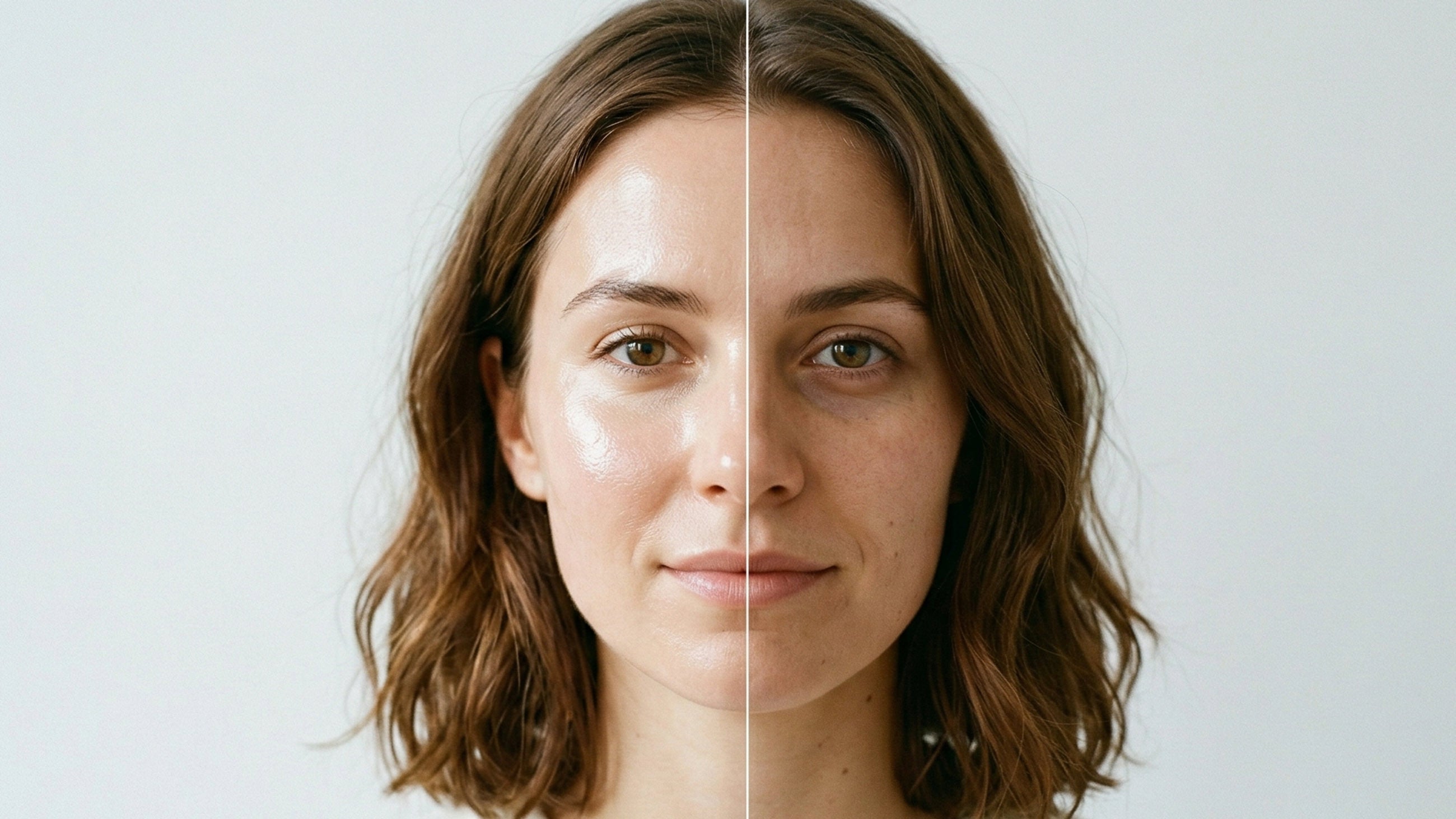
Skin loses glow for a few very real reasons after 35, and for many women, it can feel like it happens almost overnight. You may be using the same cleanser, the same moisturizer, and the same makeup, yet your skin still looks flatter, drier, or more tired than it used to.
You are not imagining it. In most cases, this shift comes down to a few predictable changes: hormone fluctuations, slower skin renewal, and years of environmental stress, especially sun exposure. Those changes can make dull skin more noticeable even when your routine has stayed the same.
The good news is that once you understand why this happens, it becomes much easier to support brighter, smoother, healthier-looking skin without making your routine feel complicated.
In this post, we’ll cover:
- why skin loses glow after 35
- what makes dull skin look worse over time
- the routine changes that actually help
- when professional treatments may be worth considering
Watch the Video
Before you read the full breakdown, watch the video here: Why Skin Loses Glow After 35
Why Skin Loses Glow After 35
When skin looks less radiant, it is usually not because you suddenly started doing everything wrong. More often, your skin is responding to changes happening both inside and outside the body.
After 35, skin often starts to lose some of the support systems that once kept it looking fresh and even. Hormonal shifts can affect hydration and collagen. Cell turnover slows, so old skin cells hang around longer. Years of UV exposure can begin to show up more clearly as roughness, pigmentation, and loss of firmness. The result is skin that looks tired, uneven, or less reflective than it once did.
That is why skin loses glow in a way that can feel frustratingly sudden. In reality, it is usually a gradual process that finally becomes easier to see in the mirror.
Hormonal Shifts Can Make Skin Look Dry and Less Radiant
One of the biggest reasons skin changes after 35 is hormonal fluctuation. Estrogen plays an important role in supporting collagen, skin thickness, and moisture. When estrogen begins to fluctuate or decline, skin often becomes drier, thinner, and less resilient.
That matters because dry skin does not reflect light well. It tends to look flat instead of luminous. It may also feel tight, rough, or more easily irritated. For some women, this is also the point where skin becomes confusing. You can have dryness on the cheeks, breakouts along the jawline, and a general loss of bounce all at the same time.

This is one reason so many women say, “I’m doing all the same things, but my skin doesn’t respond the same way anymore.” In many cases, the issue is not that your skincare suddenly stopped working. It is that your skin biology changed, and your routine did not change with it.
Research on estrogen and skin aging supports this connection, showing that estrogen helps maintain collagen content, moisture, and skin thickness.
Slower Cell Turnover Makes Dull Skin Harder to Ignore
Another reason skin loses glow is that the natural renewal process slows down over time.
In younger skin, new cells rise to the surface more efficiently. As that process slows, older dead skin cells can stay on the surface longer. This buildup creates rough texture and makes skin look less smooth and less bright. Instead of reflecting light evenly, the surface starts to scatter it.
That is one of the biggest reasons dull skin becomes more noticeable with age.
This slowdown also affects how your skincare performs. When older skin cells sit on the surface too long, serums and creams may not absorb as well. That can make your favorite products feel less effective, even if they are still well-formulated.
The American Academy of Dermatology notes that cell turnover starts slowing over time, which is one reason ingredients like retinoids are so often recommended for aging skin. Their guidance on retinoids and retinol is helpful if you are trying to figure out where to start.
Sun Exposure and Daily Stress Add Up
If there is one outside factor that does the most to steal radiance, it is UV exposure.

Sun damage does not just show up as a burn or a tan. Over time, UV exposure contributes to collagen breakdown, uneven pigmentation, roughness, and visible texture changes. It is one of the biggest reasons skin tone becomes less even and the complexion starts to look older or less bright.
A well-known review on photoaging explains that UV exposure triggers enzymes that break down collagen in the skin. That is a big deal when your skin is already producing less collagen with age.
Then there is the rest of life. Stress, poor sleep, smoking, dehydration, and a diet heavy in sugar can all work against healthy-looking skin. No single factor tells the whole story, but together they can make dull skin much more obvious.
So when skin loses glow, it is usually not because of one dramatic event. It is more often the result of internal change plus daily wear over time.
What Actually Helps When Skin Loses Glow
The good news is that improving radiance usually does not require a complicated routine. In most cases, the best plan comes down to three simple ideas:
- protect
- rebuild
- boost
1. Protect Your Skin Every Morning
If your skin looks dull, protection needs to come first.
Daily broad-spectrum sunscreen is one of the most important things you can do for your skin long term. It helps prevent more UV-related collagen damage, uneven tone, and premature aging. This is not just for beach days or vacations. It matters on cloudy days, while driving, and even near windows.
If pigmentation or uneven tone is part of the issue, a tinted mineral sunscreen can be especially helpful. Many tinted formulas contain iron oxides, which can offer added support against visible light. That can be useful for people dealing with melasma or stubborn discoloration.
Antioxidants also deserve a place in your morning routine. A good vitamin C serum can help support brightness and provide extra defense against oxidative stress from sun exposure and pollution.
A simple morning routine can look like this:
- gentle cleanser
- vitamin C serum
- moisturizer if needed
- broad-spectrum SPF 30+
If you want help building the order correctly, Fix Studios offers a free helpful skincare layering guide.
2. Rebuild Skin at Night
Once protection is in place, the next goal is helping skin renew itself more effectively.
Retinoids are one of the most helpful ingredients here. They support cell turnover, improve texture, soften the look of fine lines, and help skin appear smoother and more even over time. They are not an overnight fix, but they are one of the most reliable long-term tools for aging skin.
The biggest mistake people make is starting too aggressively. You do not need to use a strong retinoid every night right away. Starting two nights a week is often a much better plan. Pairing it with moisturizer can also reduce irritation.
Your skin barrier matters just as much as your active products. If skin feels dry, tight, or reactive, look for ingredients like:
- ceramides
- hyaluronic acid
- peptides
These help support hydration and improve comfort, which makes it easier for skin to look smooth and healthy instead of stressed and dull.
A gentle exfoliant can also help once or twice a week. Lactic acid is often a good option when you want brighter-looking skin without overdoing it. The goal is not to strip your skin. The goal is to help remove the buildup that keeps fresh skin from showing through.

For patients who want stronger at-home support, Fix Studios also offers medical-grade skincare.
3. Boost Results With Professional Treatments
Sometimes a good home routine gets you part of the way there, but not all the way.
If pigment, texture, redness, enlarged pores, or early laxity are still bothering you, professional treatments can help move things along. The best option depends on what is making your skin look dull in the first place.
For example:
- IPL can help with pigmentation and redness
- microneedling can help improve texture and support collagen
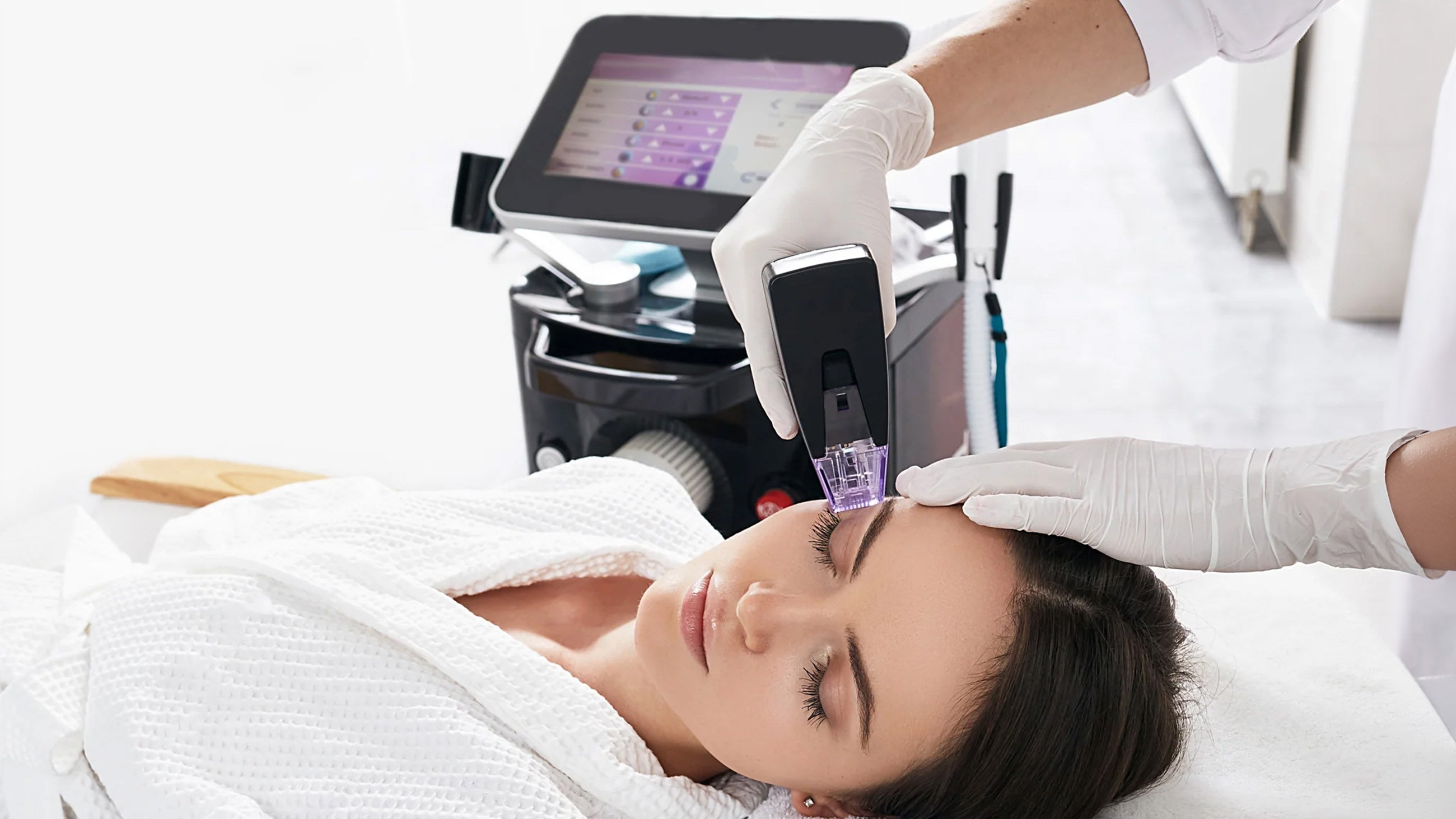
- RF microneedling can target texture plus firmness
- chemical peels can help brighten and smooth the surface
The important thing is matching the treatment to the concern. A person struggling with sunspots needs a different plan than someone dealing with dehydration or crepey texture.
That is why a personalized consult matters. A thoughtful treatment plan should be based on your skin, not whatever is trending online that week.
When It May Be Time to Get Professional Help for Dull Skin
At some point, more products are not always the answer.
It may be time to talk with a provider if:
- your routine is consistent, but your skin still looks flat or tired
- you are noticing more pigmentation, texture, or visible thinning
- your products keep irritating your skin without clear improvement
- you want a plan based on your actual skin instead of trial and error
A good consultation should not feel pushy. It should help you understand why skin loses glow, what is driving your dull skin, and what options make sense for your skin type, goals, and comfort level.
If you want a personalized plan, you can book a consultation with Fix Studios.
FAQs About Skin Loses Glow and Dull Skin
| Question | Answer |
| Why does skin lose glow after 35? | Usually because of a mix of hormone shifts, slower cell turnover, collagen decline, and cumulative sun exposure. |
| Is dull skin always caused by aging? | No. Aging is one factor, but dehydration, stress, sun damage, product mismatch, and poor sleep can also contribute. |
| Can retinol help dull skin? | Yes. Retinol and other retinoids can help improve texture, tone, and cell turnover over time when used consistently. |
| What is the best first step if my skin looks dull? | Start with daily sunscreen and a solid moisturizer. Then add a retinoid slowly if your skin tolerates it well. |
| When should I think about treatments instead of more products? | If your skin still looks dull, uneven, or rough after building a steady home routine, treatments may help address concerns more efficiently. |
Final Thoughts
When skin loses glow, it is often your skin’s way of showing that its needs have changed. That change can come from hormones, slower renewal, and years of daily exposure that gradually affect texture, tone, and hydration.
The good news is that dull skin can often improve with a few smart adjustments. Protect your skin in the morning. Rebuild it at night. Add professional treatments when they truly match the concern. That approach is usually far more effective than chasing random products or doing too much at once.
You do not need to look overdone to look refreshed. You just need a plan that makes sense for where your skin is now.
Disclaimer
This article is for informational purposes only and should not be considered medical advice. Results vary from person to person. Always consult with a qualified provider before starting any treatment.

Share:
7 Reasons PRP + Morpheus8 Is Changing Hair Restoration Cincinnati
Bad Botox Cincinnati: 5 Signs Your Injector Cut Corners