


Botox alternatives are a smart place to start if you want smoother, fresher-looking skin without jumping straight to injections.
You are not alone in wanting anti-aging results that feel natural, gradual, and skin-focused.
For many women, the real goal is not just fewer lines. It is better texture, more firmness, and a healthier, more rested look overall.
Sometimes the hesitation is about looking frozen, or it is about wanting a more natural plan. Other times it is simply about wanting to improve skin quality first. And that makes sense.
Looking younger is not just about reducing movement. It is also about better texture, more even tone, stronger collagen support, and skin that looks healthy and rested.
That is why the conversation around Botox alternatives matters. The best options do not all work the same way. They are not all trying to replace Botox directly.
Some help improve the surface of the skin, others help support collagen. A few things can help with firmness, or are most useful for prevention.
In this article, I’ll walk through what actually works, what belongs in your at-home routine, which treatments can go further in office, and how to think about timelines without expecting overnight change.
If you want the quick video version first, watch our breakdown of Botox Alternative that Gives Better Results? Here’s What Works, where Dr. Beth Matre explains these options in plain English and breaks down what to realistically expect.
Why More Women Are Looking for Botox Alternatives
Botox works well for dynamic wrinkles. It can be very effective for lines caused by repeated facial movement, especially in areas like the forehead and around the eyes.
But that does not mean it is the answer to every sign of aging.
Many women are not just worried about expression lines. They are also noticing dullness, rough texture, thinning skin, crepiness, uneven tone, and early laxity.
Those concerns are often what make the face look tired. And those concerns are exactly why alternatives to botox have become such a popular topic.
The important thing to understand is that “better” depends on the goal.
If you want to relax muscle movement, Botox is designed for that.
If you want to improve the quality of the skin itself, many alternatives may be more helpful. They can support brighter skin, smoother texture, firmer-looking skin, and a more natural progression that builds over time.
That is why I always tell patients not to think in terms of one magic fix. Think in layers. The best results usually come from doing the basics well first, then adding treatments based on what your skin actually needs.
What Botox Can and Cannot Do
Before getting into specific Botox alternatives, it helps to be clear about Botox itself.
Botox relaxes targeted muscles. That is why it can soften lines caused by expression. It is especially useful for dynamic wrinkles, where movement is the main issue.
What Botox does not do especially well is improve texture, brighten dull skin, reduce pigment, or build collagen the way certain skin treatments can. It also does not replace the need for daily skincare.
That distinction matters because a lot of people assume anti-aging means one thing. It does not. Wrinkles, laxity, uneven tone, dehydration, and collagen loss are all different concerns. They need different solutions.
That is where alternatives come in. The right plan can improve the overall look and feel of the skin in ways Botox alone cannot.
The Best Botox Alternatives Start at Home
When people ask about alternatives, they often expect the answer to be a device or treatment. But the real foundation is usually your daily routine.
That may not sound exciting, but it is true.
A strong home routine protects collagen, supports cell turnover, improves skin tone, and helps your skin respond better to in-office treatments later. If your skincare is inconsistent, you are making every other step harder.
Retinoids for Fine Lines and Texture
Retinoids are one of the most important Botox alternatives in skincare because they help the skin behave more like younger skin. They support cell turnover, improve the look of fine lines, and help smooth uneven texture over time.
They are not instant, but they are worth the patience.
The biggest mistake people make is starting too aggressively. They use too much, too often, and end up irritated. A better approach is to start slowly and stay consistent.
If you want a beginner-friendly option, Refinity Retinoid Serum fits beautifully into a routine focused on smoother, healthier-looking skin.

Vitamin C for Brightness and Daily Protection
Vitamin C is another smart choice when building a skincare plan. It helps defend against environmental stress and supports a brighter, more even-looking complexion.
That matters because youthful-looking skin is not just smooth. It also reflects light better. It looks fresher, less tired, and more polished.
Our LustraCe™ CE + CTP Antioxidant Radiance Serum is a simple way to add that kind of support into your morning routine.

Peptides as a Supportive Step
Peptides often get marketed as Botox-like, which is why they come up often in conversations about Botox alternatives. Ingredients like Argireline and acetyl hexapeptide-8 are popular for that reason.
Still, expectations matter.
Peptides are not Botox. They do not work at the same level as an injectable. What they can do is support smoother-looking skin and help soften the appearance of early lines as part of a larger routine.
That is the best way to think about them: supportive, not identical.
Sunscreen Is Non-Negotiable
Of all the daily alternatives, sunscreen may be the one people underestimate most. It protects collagen, helps prevent UV-related aging, and supports every other product or treatment you use.
If you are spending money on anti-aging and skipping SPF, you are making the job harder and wasting money.
For a polished everyday option, GlowLuxe™ Tinted SPF 50 and Glissen™ Mineral Radiance SPF 50 Sunscreen are both easy to work into a routine.
This is not the glamorous answer, but daily sunscreen is one of the smartest alternatives because prevention matters.

Do Tools Like Gua Sha and Microcurrent Really Help?
This is where a lot of confusion happens. Some people expect handheld tools to perform like advanced treatments. Others assume they do nothing at all. The truth is somewhere in the middle.
Gua Sha
Gua sha can help reduce puffiness, support lymphatic movement, and relieve facial tension. It can make the face look a little more refreshed, especially when fluid retention is part of the issue.
What it does not do is build collagen, erase deeper lines, or lift sagging skin in a structural way.
So is it worth doing? Yes, if you enjoy it and have the right expectations. It is one of the gentler alternatives, best used as a supportive step rather than a major correction tool.
If you want to try gua sha at home, this gua sha tool is less than $10 on Amazon and a simple option to add to your routine. It can be especially nice in the morning when your face feels puffy or tense.
Use it on clean skin with a serum or facial oil so it glides easily. Then gently sweep the tool outward and upward across the jawline, cheeks, and forehead using light pressure. A few minutes is enough. The goal is to support circulation and reduce puffiness, not press hard or “scrape” the skin.
Microcurrent
Microcurrent is one of the more interesting at-home Botox alternatives because it can create a temporarily lifted, toned look when used consistently. Some women really like it, especially as part of a maintenance routine.
The key word is consistently. Like many alternatives, it is not a one-time fix. It usually works best for people who are willing to use it regularly and who understand that the results are subtle.
If your concerns are deeper lines, laxity, or more advanced collagen loss, professional treatments will usually go further.
If you’re curious about microcurrent, this microcurrent device from Amazon is a simple at-home option to help support a more lifted, refreshed look. It’s especially helpful for women who want a noninvasive way to add a little extra tone and definition to their routine.
Use it on clean skin with a conductive gel so the device can glide comfortably and work properly. Then move it slowly upward and outward across the face, especially along the jawline, cheeks, and forehead. A few minutes at a time is enough. Like most at-home tools, microcurrent tends to work best with regular use and realistic expectations.
Professional Botox Alternatives That Can Do More
Once skincare is in place, professional alternatives can help with collagen support, texture, and firmness in a more meaningful way.
These are the treatments that often make the biggest difference for women who feel like skincare alone is no longer enough.
Microneedling
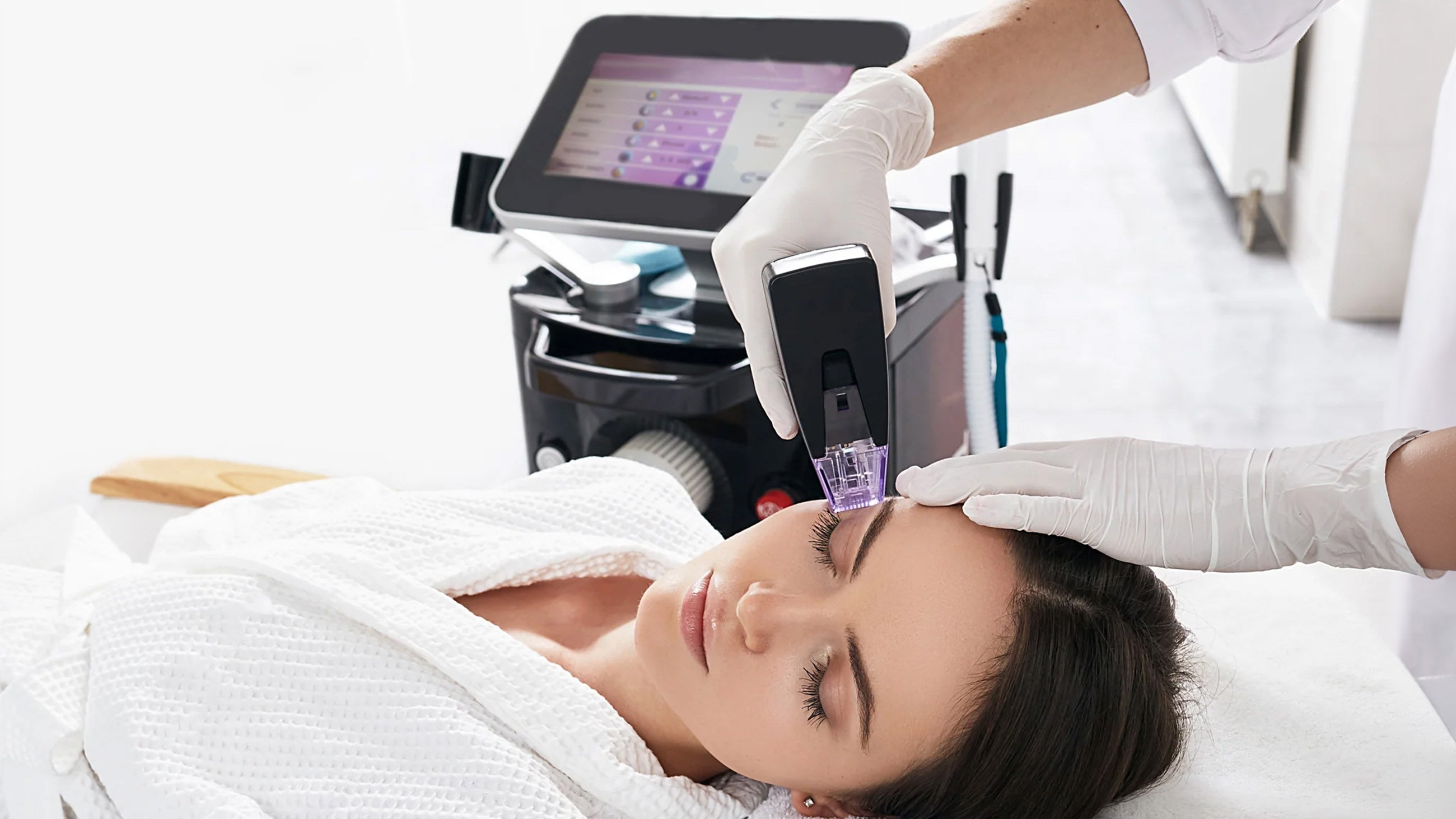
Microneedling is one of the most approachable professional Botox alternatives because it focuses on the skin itself. It creates controlled micro-injuries that stimulate healing and collagen production.
Over time, that can help improve texture, soften fine lines, and support smoother-looking skin. It is often a great option for women who feel like their skin looks rougher, less even, or less fresh than it used to.
The FDA has a helpful overview on microneedling devices if you want to understand the category better.
Microneedling is not instant, but that is true of many of the best alternatives. The payoff comes with time and consistency.
Morpheus8 and RF Microneedling
If the goal is firmer skin, RF microneedling can go a step further than standard microneedling because it combines needling with radiofrequency energy. That extra energy can support deeper remodeling, which is why this category gets so much attention.
Morpheus8 is one of the names people know best, but the bigger point is that RF microneedling is one of the stronger Botox alternatives for women concerned about texture, mild laxity, and firmness.
This is also where consultation matters. Not every device is right for every face, treatment area, or skin type. Technique matters. Settings matter. Provider experience matters.
The FDA has also issued a safety communication on certain uses of RF microneedling, which is one more reason to work with a trained provider who treats thoughtfully.

PDO Threads
PDO threads are different from the options above because they are less about surface texture and more about subtle support. They may be helpful for select patients with early sagging who want refinement without surgery.
They are not for everyone, and they are not interchangeable with Botox. Still, they can be useful Botox alternatives when the main concern is structural support rather than expression lines.
This is an area where provider judgment matters a lot. The right candidate can love threads. The wrong candidate can be disappointed. Realistic expectations are everything.
Botox Alternatives for Forehead Wrinkles Without Botox
This is one of the most common concerns behind the whole conversation. Many women are really asking one question: what helps forehead wrinkles if I do not want Botox?
The answer depends on the kind of wrinkle.
If the lines appear mainly when you move your forehead, Botox tends to work very well because it targets motion. Some Botox alternatives can still improve the look of the skin in this area, but they may not reduce movement-related wrinkling in the same way.
If the lines are visible even when the face is at rest, then skincare and collagen-focused treatments can make more of a difference. Retinoids, peptides, sunscreen, microneedling, and RF microneedling may all help, depending on what the skin looks like and how deep the lines are.
This is why a layered plan usually works best. For many women, the best approach to forehead aging includes:
- daily SPF
- a retinoid at night
- vitamin C in the morning
- supportive peptides
- microneedling or RF microneedling when more collagen support is needed
That is one of the biggest strengths of Botox alternatives. They can work together.
Realistic Timelines Matter
One reason people give up on Botox alternatives too quickly is because they expect immediate change. Most of the options that truly improve skin quality take time.
A better way to think about it is this:
Some things improve in days to weeks. Hydration, brightness, temporary de-puffing, and that fresh post-treatment glow can happen fairly early.
Other changes take longer. Collagen remodeling, texture improvement, and firmer-looking skin usually happen over weeks to months.
That is why consistency beats panic buying every time. A few smart Botox alternatives used consistently will usually do more than a bathroom shelf full of random products.
So, What Works Better for Smoother, Firmer Skin?
The honest answer is that the best Botox alternatives depend on your goal.
If your main issue is dynamic expression lines, Botox may still be the most direct option for that specific job.
But if your bigger goal is smoother texture, brighter skin, better tone, and a firmer overall appearance, then Botox alternatives can be incredibly effective. In some cases, they address concerns Botox does not handle well on its own.
Retinoids matter.
Vitamin C matters.
Sunscreen matters.
Peptides can help.
Microneedling can be a great option.
RF microneedling can go further for firmness.
PDO threads may be useful for the right patient.
That is what makes this conversation so helpful. You do not have to choose between doing nothing and jumping straight to injectables. There is a middle ground, and for many women, it is exactly the right place to start.
FAQs About Botox Alternatives
| Question | Answer |
| What are the best Botox alternatives? | The best Botox alternatives depend on your concern. Retinoids, sunscreen, vitamin C, microneedling, RF microneedling, and PDO threads can all help in different ways. |
| Do Botox alternatives really work? | Yes, many Botox alternatives work well when matched to the right goal. Most improve texture, skin quality, firmness, or collagen support rather than facial movement. |
| What helps forehead wrinkles without Botox? | Retinoids, sunscreen, peptides, microneedling, and RF microneedling may help, especially if the lines are tied to skin quality and collagen loss rather than motion alone. |
| Is microneedling better than Botox? | They do different things. Botox targets muscle movement. Microneedling helps improve texture and collagen support. One is not automatically better. |
| Are peptides a real Botox replacement? | Not exactly. Peptides can support smoother-looking skin, but they do not work like injectable Botox. |
| Which option is best for firmer skin? | For firmer skin, RF microneedling is often one of the stronger professional options, especially when paired with a solid skincare routine. |
Final Thoughts
The best alternatives are not about chasing trends. They are about choosing the right tools for the right concern and using them consistently.
This means for some women, that starts with sunscreen, vitamin C, and a retinoid. For others, it means adding microneedling or RF microneedling to support collagen and firmness. For the right patient, threads may also have a place.
The point is that you have options. Thoughtful, effective, realistic options.
When chosen well, Botox alternatives can help you build smoother, firmer, healthier-looking skin in a way that feels natural and sustainable.
If you’re looking for Botox alternatives near me, Fix Studios offers Botox alternatives in Cincinnati OH and is located in Mason OH and conveniently located near Montgomery OH, Sycamore Township OH, Symmes Township OH, West Chester OH, Blue Ash OH, Loveland OH, Landen OH, Sharonville OH, Evendale OH, Fairfield OH, Hamilton OH, and other areas of Greater Cincinnati.
Disclaimer
This article is for informational purposes only and should not be considered medical advice. Results vary from person to person. Always consult with a qualified provider before starting any treatment.

Share:
Best Botox in Cincinnati: 9 Things to Look for Before You Book
7 Reasons PRP + Morpheus8 Is Changing Hair Restoration Cincinnati