

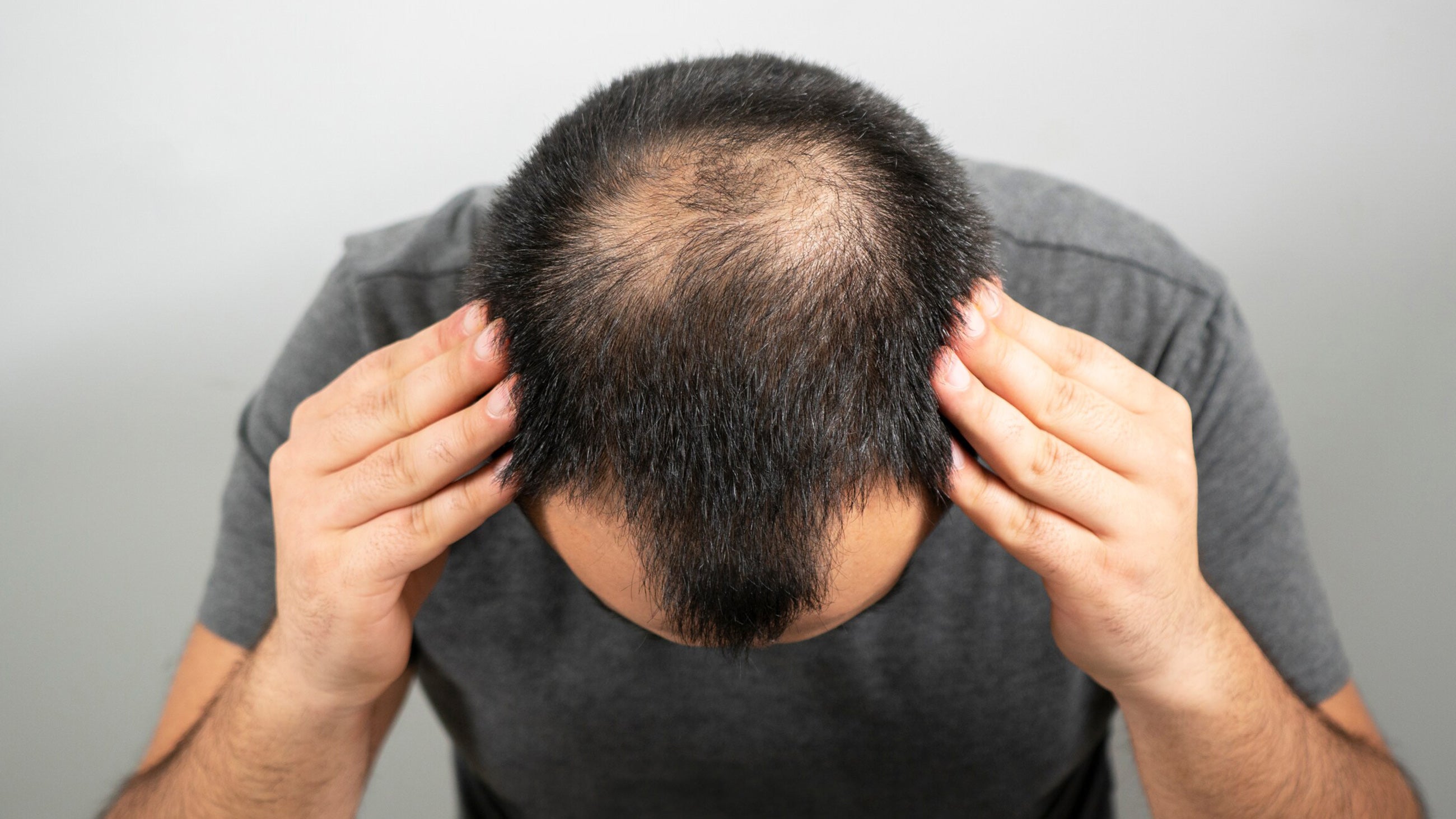
If you’ve been Googling PRP hair Cincinnati, you’re probably in that very specific headspace where you’re tired of watching your part widen, your ponytail shrink, or your crown look a little “see-through” in bright bathroom lighting. I get it. As a nurse practitioner in aesthetics, I’ve had countless clients sit in my chair and say, “I just want my hair to feel like my hair again.”
PRP can be a smart option for the right person... especially when it’s done thoughtfully, with good technique, and realistic expectations. And yes… how PRP is delivered can matter a lot (we’ll talk about our hydra needle approach and why we’ve seen stronger outcomes with it).
Here’s what we’ll cover:
- What PRP is (and what it isn’t)
- Who tends to do best with PRP hair Cincinnati treatments
- Why delivery method matters (hydra needle vs. microneedling vs. injections)
- How exosomes/stem-cell-derived add-ons may boost results
- Timeline, sessions, aftercare, and FAQs
1) PRP hair = using your own growth factors to support follicles
PRP stands for platelet-rich plasma. Platelets aren’t just for clotting... they carry growth factors that support healing and cell signaling. In hair restoration, PRP is typically placed into the scalp in areas of thinning to help support follicle function and encourage healthier growth cycles.
A quick reality check: PRP doesn’t “create” brand-new follicles where none exist. What it can do is support follicles that are struggling, miniaturizing, or stuck in a weak cycle... especially when hair thinning is mild to moderate.

2) The best candidates usually notice thinning, not fully slick bald areas
In a PRP hair Cincinnati consult, one of the biggest things we assess is whether follicles are still active.
You may be a strong candidate if you’re noticing:
- A widening part
- More visible scalp at the crown
- A “lighter” hairline without complete bald patches
- Increased shedding after stress, illness, hormones, or postpartum changes
- Hair that grows… but it’s finer and weaker than it used to be
If an area has been smooth and bald for a long time, PRP may not be the best primary option.

3) You don’t want “quick PRP.” You want PRP done with intention
This is where I get a little protective.
PRP is often marketed like it’s a simple add-on. Draw blood. Spin it. Put it on the scalp. Done.
But in practice, results depend on details like:
- Platelet concentration and prep quality
- Scalp health and inflammation level
- Treatment plan and spacing
- Delivery method (this is huge)
- What you’re doing at home between sessions
PRP can be a great tool. It’s not magic. It’s biology.
4) Let’s talk delivery: hydra needle vs. “smear-on PRP” microneedling vs. injections
You asked for this specifically... so here’s the honest, clinical explanation.
Option A: Microneedling + PRP smeared on top
This is common. The provider microneedles the scalp, then applies PRP topically.
The challenge: topical PRP depends on passive absorption through microchannels. Some gets where you want it. Some doesn’t. Distribution can be uneven.
Option B: PRP injections
Also common... PRP is injected into the scalp with a needle.
The challenge: it can be less comfortable, and distribution depends on spacing, depth, and technique. Some people also swell more with traditional injections.
Option C: Hydra needle = microneedles + injects at the same time
This is the sweet spot we’ve seen clinically.
A hydra needle uses a multi-needle tip that creates controlled microchannels and simultaneously delivers PRP at a consistent depth and pattern.
Why we’ve seen better results with this than “smear-on PRP” or standard injections:
- More consistent placement across the thinning zone
- Less guesswork on absorption
- Even distribution without relying on topical soaking
- Efficiency: you’re stimulating + delivering in one pass
No technique is perfect for everyone. But when clients ask me why their PRP experience here feels different, this is a big reason.
5) PRP hair Cincinnati can pair well with medical hair basics
PRP tends to do best when we support the “whole hair environment.”
That might include:
- Scalp inflammation control
- Nutrient and iron status (when appropriate)
- At-home growth support products
- Discussing medical options with your prescribing provider if you’re a fit
There’s good evidence that PRP can improve hair parameters in androgenetic alopecia in many studies, but results vary and protocols differ.
6) What PRP can realistically improve
When PRP is a good match, the improvements we often aim for are:
- Less shedding over time
- Stronger, thicker-feeling strands
- Better density appearance at the part/crown
- Improved scalp “support” for styling
It’s usually not an overnight wow. It’s more like: you look up one day and realize you’re not avoiding overhead lighting anymore.

7) The timeline: when people actually notice changes
A common frustration is expecting instant payoff.
Here’s a realistic timeline we often share in consults:
- Weeks 0–4: scalp healing, little visible change
- Weeks 6–10: shedding may calm; early texture shifts
- Months 3–4: density can start to look better
- Months 6+: this is where many people feel the “yes, this was worth it” moment
Hair cycles move slowly. PRP is supporting the cycle - not overriding it.
8) How many sessions does PRP hair Cincinnati usually take?
Many protocols start with a series, then shift to maintenance.
A common structure is:
- Initial series: 3 sessions spaced about a month apart
- Maintenance: every 4–6 months (varies a lot by person)
Your plan should be customized based on your pattern, goals, and scalp condition.
If you want to see what pricing and packages look like at Fix, we keep things transparent here: Hair restoration & PRP/PRF pricing in Mason/Cincinnati
9) Can we add stem cells/exosomes to PRP?
Yes - and I’m glad you brought it up, because there’s a lot of hype online.
What people mean when they say “stem cells” in hair restoration
Most medspas are not injecting live stem cells. What’s more commonly discussed are stem-cell-derived exosomes (or similar regenerative signaling products).
Exosomes are tiny vesicles that can carry signaling molecules involved in regeneration and inflammation modulation. Early clinical studies and reviews suggest promise, but the data is still developing, product standards vary, and larger trials are needed.
Why exosomes can be a powerful add-on conceptually
When paired with PRP, the goal is often:
- Boost healing after scalp stimulation
- Support follicles with added signaling
- Help calm inflammation that can sabotage growth
The honest caveat
Not all exosome products are created equal. And “regenerative” doesn’t mean “guaranteed.” If we recommend an add-on like this, it’s because we believe it matches your goals and we’ve seen it help the right candidates—while still keeping expectations grounded.

10) What PRP hair Cincinnati feels like (comfort + downtime)
Most people describe PRP scalp treatments as:
- Pressure
- Quick pinches
- Tenderness afterward
- A “tight scalp” feeling for a day or two
Downtime is usually minimal, but your scalp can be a little pink or sensitive right after... especially with advanced delivery methods that intentionally stimulate.
We’ll walk you through what to do the day of treatment, what to avoid, and how to keep your scalp calm.
11) The biggest “miss” I see: ignoring scalp health between sessions
You can do the best PRP hair Cincinnati series on earth… and still struggle if your scalp is inflamed, irritated, or neglected.
Between sessions, we often coach around:
- Gentle cleansing habits
- Avoiding aggressive picking/scrubbing
- Supporting barrier health
- Minimizing heavy buildup products at the scalp
- Consistent at-home steps that match your plan
Hair restoration is one of those areas where small habits compound.
Why Fix Studios for PRP hair Cincinnati?
We’re a boutique medspa in Mason serving Greater Cincinnati, and we’re built around medical expertise + natural results + zero pressure. If you’re curious about hair restoration options, start here:
- Learn about our approach: Hair Restoration in Mason & Cincinnati
- New here and want to know what to expect? New patient info
- Ready to talk with us directly? Book online
FAQs: PRP Hair Cincinnati
| Question | Answer |
| How long do PRP hair results last? | Many people do a starter series, then maintenance every few months to sustain results. |
| Is PRP better than minoxidil? | They’re different tools. Some people do best with a combination plan guided by a medical provider. |
| Does PRP work for women’s hair thinning? | It can, especially when follicles are still active and thinning is mild to moderate. |
| What’s the difference between PRP and PRF? | PRF is often discussed as a fibrin-based concentrate that may release growth factors differently. Your provider can guide what fits your scalp and goals. |
| Is hydra needle PRP more effective? | We’ve seen more consistent delivery and improved outcomes vs. smearing PRP on after microneedling or doing traditional injections alone, but results vary person-to-person. |
| Does PRP hurt? | Most people tolerate it well. We apply numbing cream to minimize discomfort. Expect quick pinches and scalp tenderness afterward. |
| When will I see results? | Many notice changes around months 3–4, with fuller-looking improvement by month 6+. |
| Can exosomes be added to PRP? | In some cases, yes. Evidence is emerging, and product quality matters - so this should be guided clinically. |
| Will PRP regrow hair on completely bald spots? | Usually not. PRP supports struggling follicles, but it can’t create follicles where none exist. |
| How do I know if I’m a candidate? | A consult is the fastest way. We’ll assess pattern, scalp health, and goals before recommending a plan. |
Conclusion
If you’re considering PRP hair Cincinnati, the biggest win is choosing a plan that’s designed for your pattern, your scalp health, and your timeline... not a one-size-fits-all protocol.
When PRP is delivered with intention (especially using a method like a hydra needle that microneedles and delivers PRP at the same time) it can be a powerful way to support fuller-looking, stronger hair over time. And for the right candidate, pairing PRP with regenerative add-ons like exosomes may help boost healing and outcomes (with the right product selection and realistic expectations).
If you’re ready to talk through your options, you can book your consultation here. And if you want to start by reading about our approach first, visit our Hair Restoration page.
For the right candidate, PRP hair Cincinnati treatments can be one of the most practical, natural-looking ways to support thicker, healthier hair.
If you’re looking for PRP hair restoration near me, Fix Studios offers PRP hair restoration in Cincinnati OH and is located in Mason OH and conveniently located near Montgomery OH, Sycamore Township OH, Symmes Township OH, West Chester OH, Blue Ash OH, Loveland OH, Landen OH, Sharonville OH, Evendale OH, Fairfield OH, Hamilton OH, and other areas of Greater Cincinnati.
Disclaimer
This article is for informational purposes only and should not be considered medical advice. Results vary from person to person. Always consult with a qualified provider before starting any treatment.

Share:
Facial Balancing: 9 Tips for Natural Symmetry in Cincinnati
The Best Bruise Recovery Cream After Injectables: What to Use + How to Use It